This Treasure of the Chesapeake Bay Could Soon Be Lost Forever
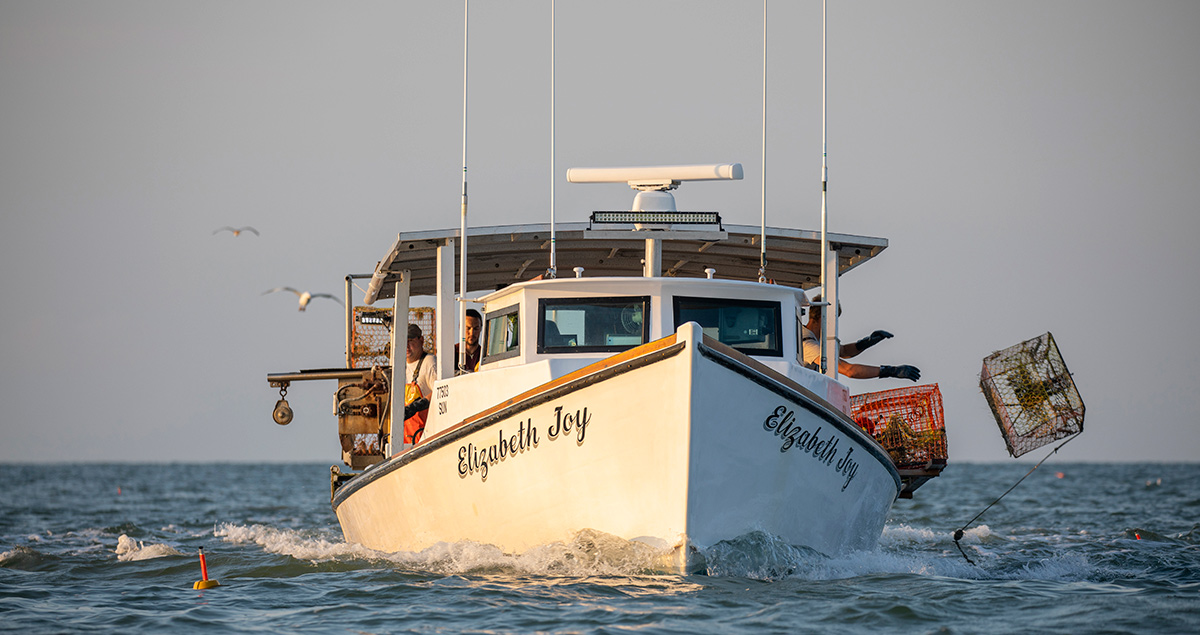
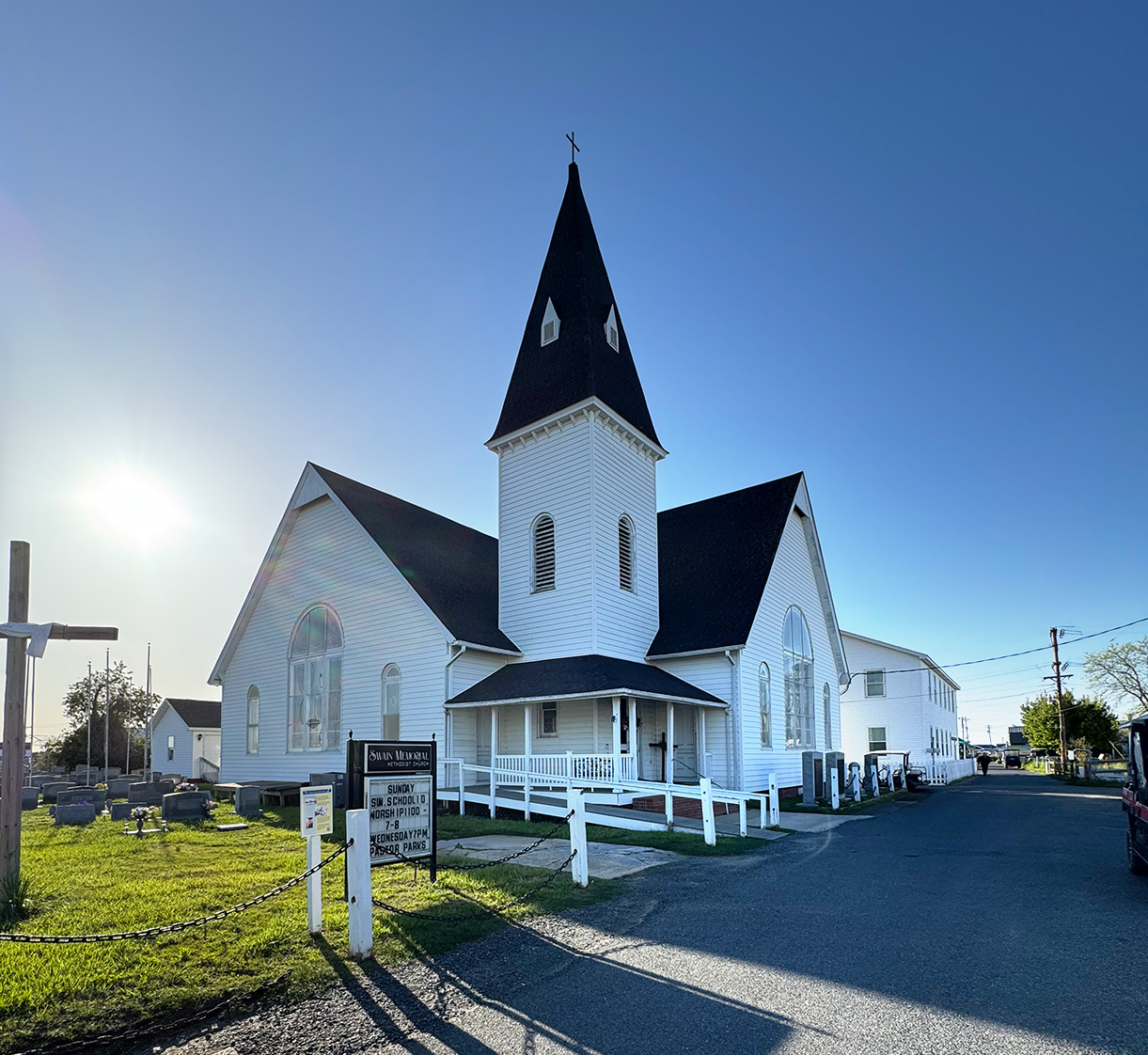
Tangier Island’s relative isolation in the Chesapeake Bay has helped preserve a distinctive culture, dialect, faith, maritime traditions and way of life developed over generations. Most of the island’s population descends from the original Cornish families who settled here nearly 350 years ago.
Over the centuries, Tangier has developed into a one-of-a-kind American community—one that in some ways may have more in common with an island off the coast of Cornwall, England, than with a community located in the middle of the Chesapeake Bay.
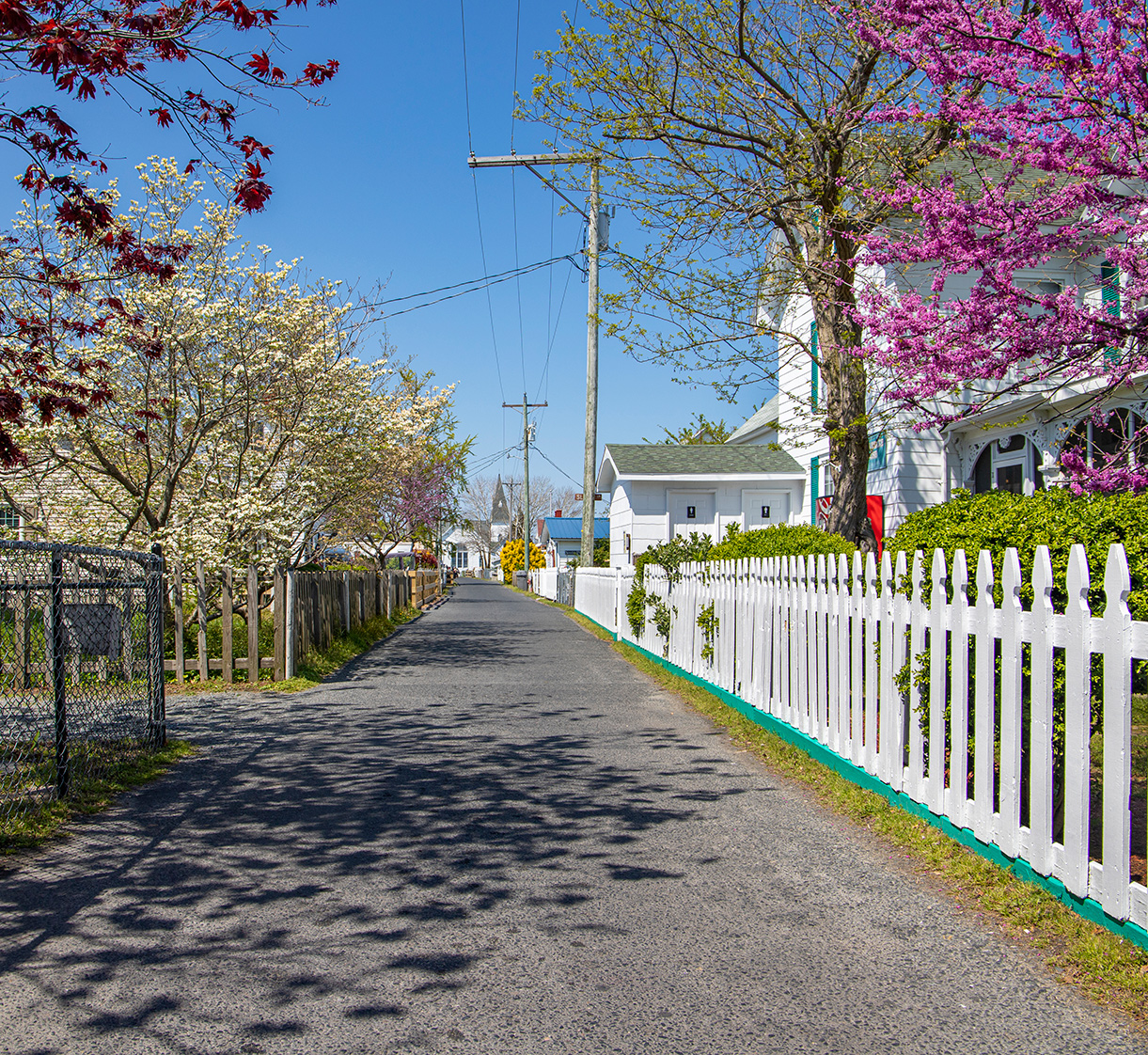
Tangier Island’s stirring landscape, colorful history, unique culture and welcoming community have endured for nearly 350 years. Visiting Tangier offers an Old World experience filled with traditional watermen, close-knit families, soft-shell crabs, milkshakes, picket fences, enduring values and a glimpse of life removed from the constant rush of the modern world.
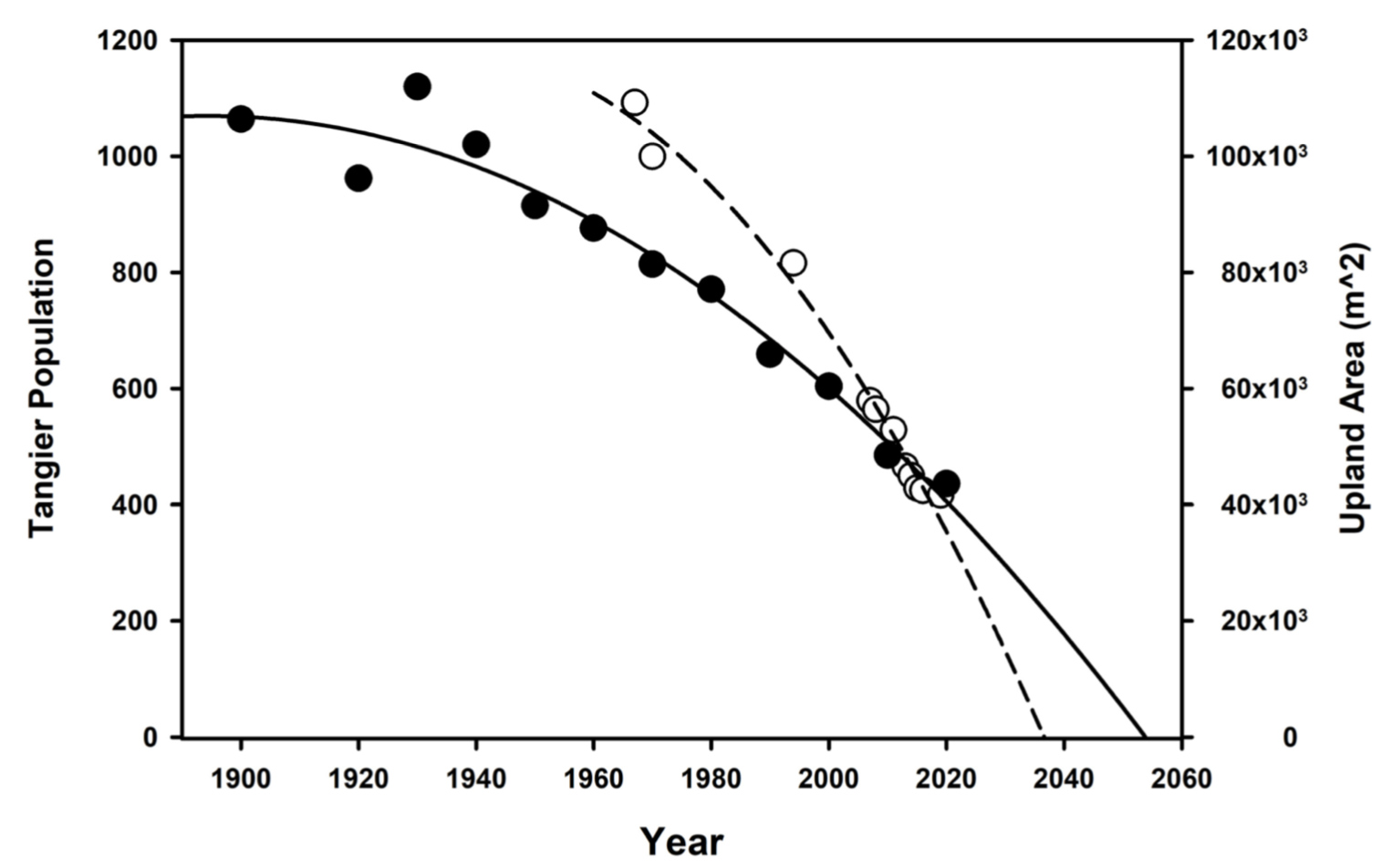
The Tangier Island experience enriches us on many levels. Sadly, without our help, this Chesapeake Bay treasure could disappear.
This project is an effort of the Virginia Ecological Solutions Foundation (VESF) to combine a dedicated group of talented marine biologists and engineers with Tangier Island Protectors, including you. Over 90% of your donations go directly towards reef construction, deployment and living shorelines to protect Tangier Island. Learn more below and throughout this website.
Join Us Today – Donate here.
Islands Throughout the World are Protected by Living Reefs
But Currently Not Tangier Island
Some of the world’s most famous and beautiful islands—including the Maldives, Hawaii, French Polynesia, the Bahamas and Mauritius—face far greater ocean forces than Tangier Island. Yet many of these islands benefit from natural reef systems that help protect their shorelines and communities.
Living reef systems grow and adapt over time, provide rich habitat for marine life, and act as natural barriers that reduce wave energy and shoreline erosion.
Tangier Island lacks this type of natural offshore protection. As Chesapeake Bay waves continue to erode the island’s land mass, homes, businesses, schools, churches and the community itself become increasingly vulnerable.
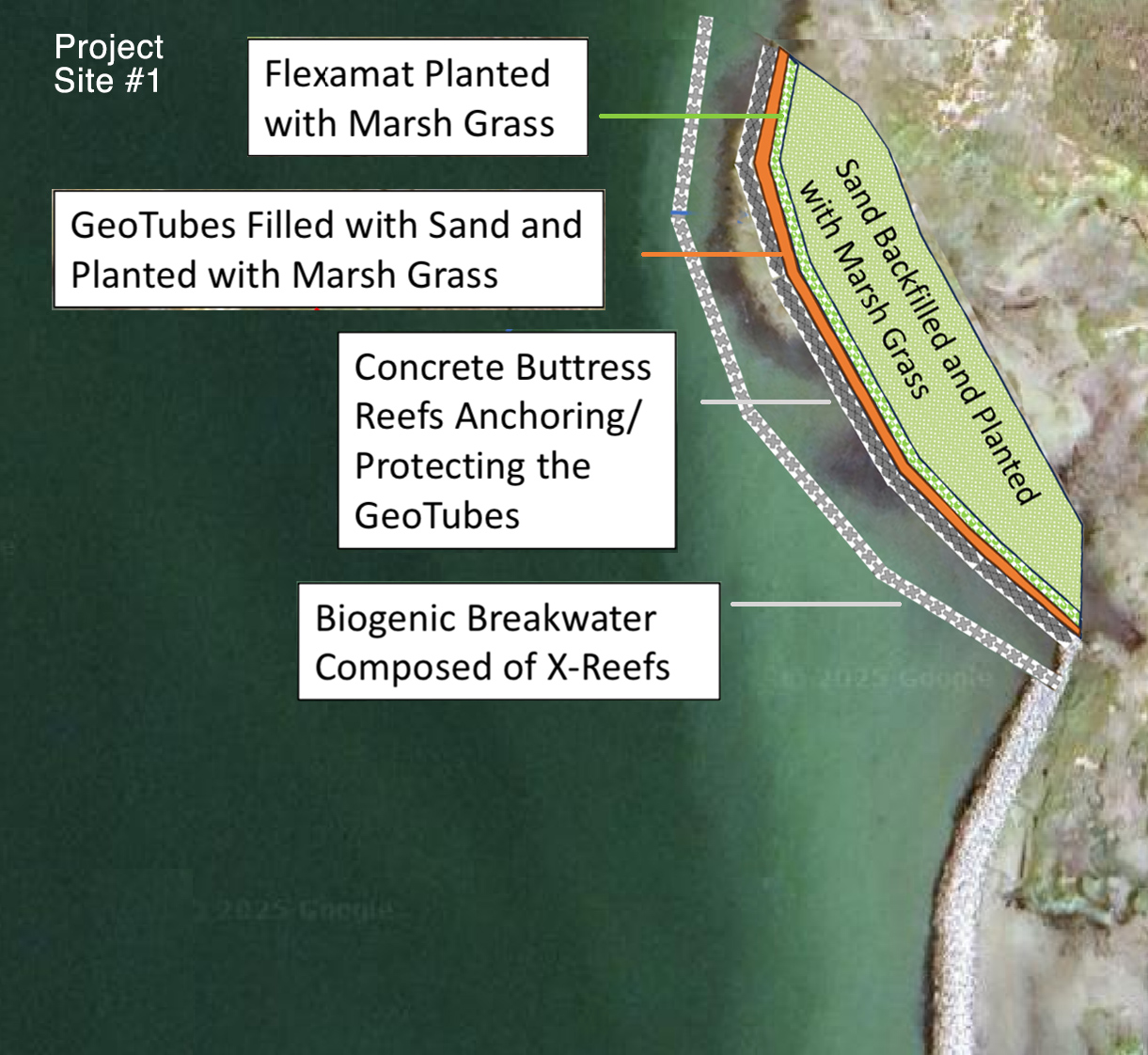
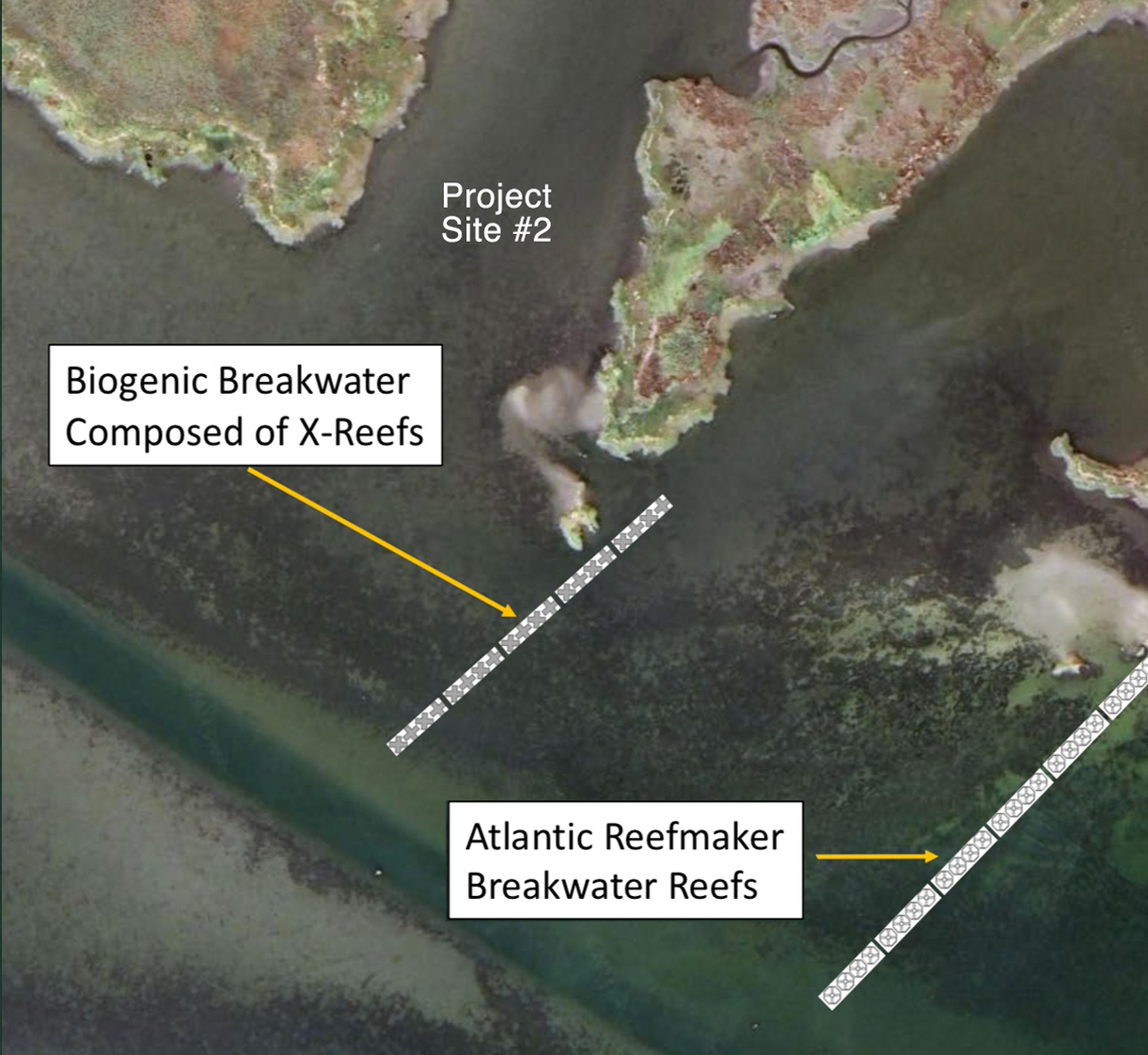
Our biogenic reef systems are designed to help change that by reducing wave energy before it reaches Tangier’s shoreline.
See more about our reef solutions here
VESF Chosen to Help Protect Two Critically Vulnerable Areas of Tangier Island
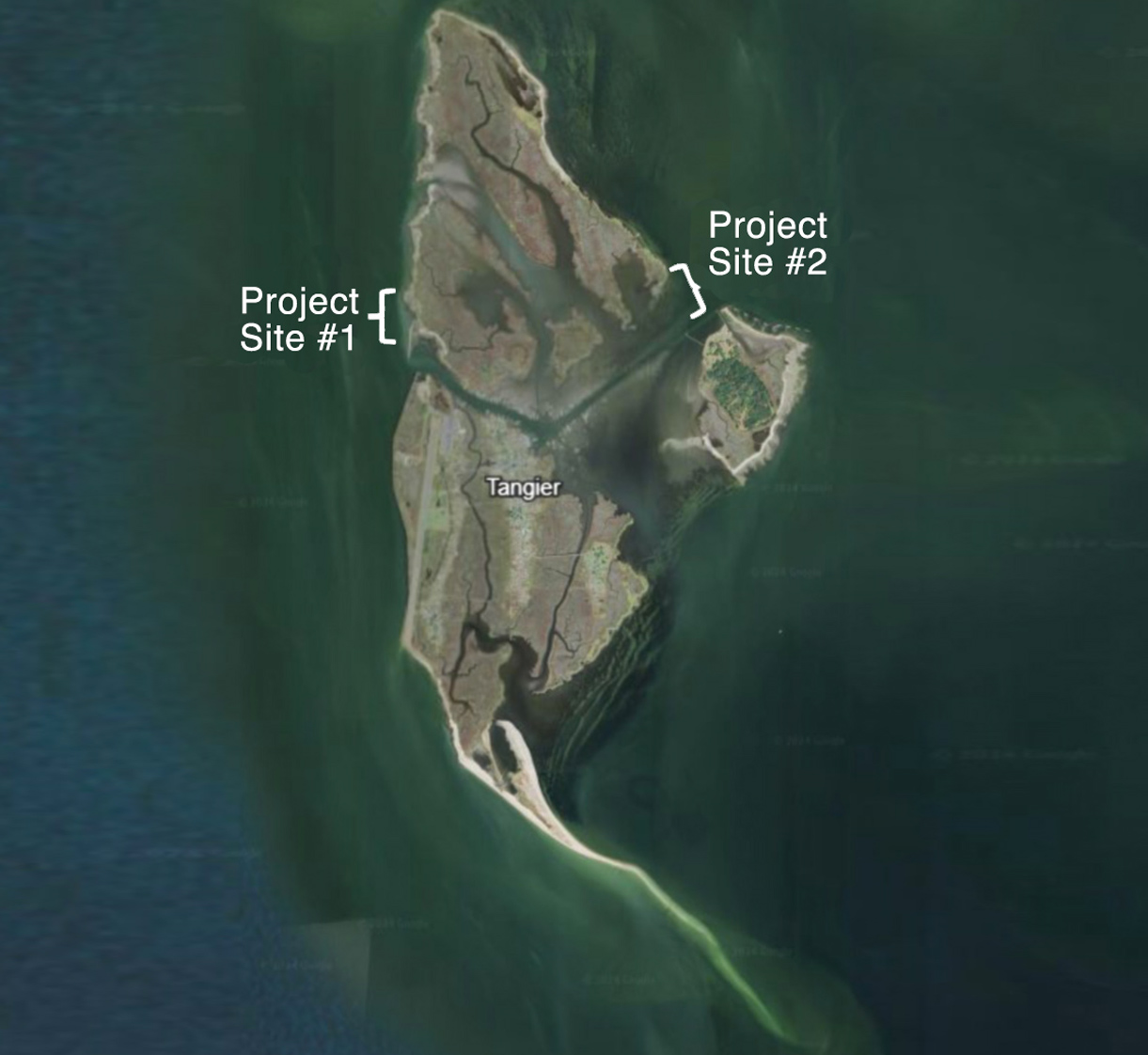
A group led by the Accomack County Planning District Commission, the Tangier Town Council, local scientists and others have identified two critically vulnerable areas of Tangier Island. The Tangier Town Council has joined with Virginia Ecological Solutions Foundation (VESF) to manage a multi-step plan to save Tangier. Phase 1 of the campaign seeks a combined $6 million as it kicks off an urgent “Time is of the Essence” call to all those interested in saving Tangier Island.
The group’s $6 million goal is well within reach and the science-based solutions that use natural systems to reduce the destructive power of waves and erosion are attainable. Here’s how you can help.
Consider joining the Protect Tangier Island Campaign today with your important contribution. You’ll be helping to save a historic, storied treasure and its unique community of families, watermen and stewards of the Chesapeake Bay.
Time is clearly not standing still here and the island’s residents can’t do this alone. Soon after arriving, most visitors can feel a timeless relationship between the islanders and their surroundings.
In reality, for locals and visitors, there is only a short time left to make a difference. Be part of the effort to preserve all that Tangier is and all Tangier continues to give back. Here’s your chance to help. Please make your donation today by clicking here.
Are you interested in helping as a volunteer?
We are trying to build our Protect Tangier community. If you are interested in helping, please send your contact information and area of interest or special skills to news@vesf.org